Home
Home About Us
 Become a Subscriber

 Flight Booking
 Hotel Booking
 Trip Booking
 Visa Booking
 Booking History
 Discover Pakistan
 Blogs
Blogs
 Wishlist
 Support
 Log In



 22 Jun 2026
 0
0 Asma
Asma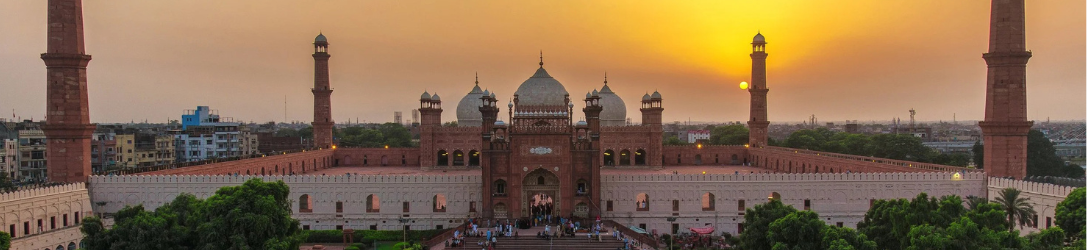
You Haven't Really Eaten Until You've Eaten in Lahore
Lahore does not ease you in. From the moment you arrive, the city is loud, layered, generous, and absolutely certain of its own greatness and the remarkable thing is that it is right to be. This is Pakistan's cultural capital: home to two UNESCO World Heritage Sites, centuries of Mughal architecture, and a food scene so deeply woven into the city's identity that even the monuments come with a recommended meal nearby.
This guide covers the best things to do, the best things to eat, when to visit, and how to plan one or two days that actually do the city justice. Mosafir covers flights to Lahore from Islamabad and Karachi, hotels near the main attractions, making your trip really easy.
Why Lahore Hits Differently
Every Pakistani city has a personality. Karachi is restless. Islamabad is composed. Lahore is proud and it has the receipts. Two UNESCO World Heritage Sites. One of the oldest continuously operating bazaars in South Asia. A border ceremony that turns a flag-lowering into a national event. And a food culture that Lahoris will describe to you, unprompted, in significant detail.
For travelers coming from Islamabad or Karachi, Lahore is roughly an hour by air and feels like an entirely different world. For overseas Pakistanis visiting the country, it is often the stop that surprises them the most. For international visitors, it is almost always the city that earns a return trip.
The Non-Negotiable Stops-And What to Eat at Each One
These spots are really Non-negotiable whenever you are visiting Lahore.
Badshahi Mosque — Then Chai at Pak Tea House
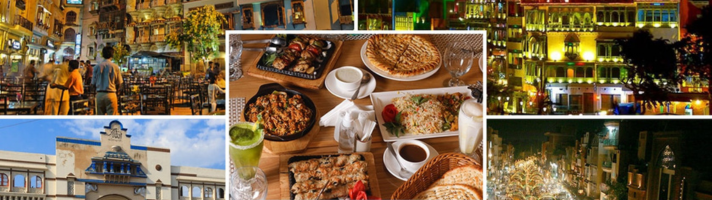
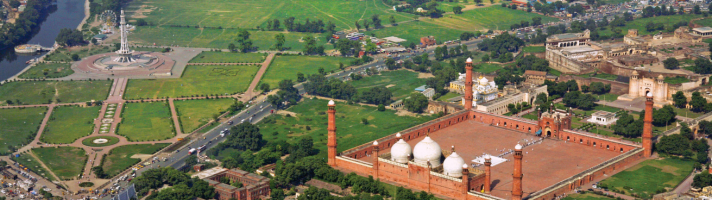
Built in 1673 by Emperor Aurangzeb, Badshahi Mosque is one of the largest mosques in the world and the single most photographed structure in Pakistan. The courtyard alone holds 100,000 worshippers. The red sandstone and white marble combination against a Lahore sky particularly at dusk is one of those views that earns the journey entirely on its own.
- Practical notes: entry is free, dress modestly, remove shoes at the entrance. Avoid Friday midday when crowds are at their peak. Allow at least 45 minutes.
After your visit, walk to Pak Tea House on Mall Road — the oldest cafe in Pakistan, open since 1940 and historically a gathering place for writers and intellectuals. Order doodh patti and sit with it. This is not a tourist activity. It is what Lahoris actually do.
Lahore Fort — Then Breakfast in the Walled City
The Lahore Fort, a UNESCO World Heritage Site, is a 20-hectare complex of palaces, mosques, and gardens that was continuously expanded by Mughal emperors from Akbar to Aurangzeb. The Sheesh Mahal- the Palace of Mirrors is the standout structure: walls and ceilings tiled entirely with mirror glass that catches light in a way that photographs genuinely cannot capture.
- Practical notes: entry fee approximately PKR 500 for Pakistani nationals. The fort and Badshahi Mosque share a wall — visit both in the same morning. Budget 1.5 to 2 hours for the fort properly.
After the fort, walk into the Walled City through Delhi Gate and find breakfast. Lahori breakfast is its own institution: paye (trotters), nihari, halwa puri with chana, and fresh lassi. The area around Gawalmandi and the streets inside Delhi Gate have been serving the same dishes the same way for decades. This is the meal that will rearrange your expectations.
Walled City of Lahore — And Food Street in the Evening
The Walled City is the original Lahore, a dense, living, breathing historic district enclosed by 13 gates (of which 6 are still standing). The streets inside are narrow, occasionally overwhelming, and completely extraordinary. Wazir Khan Mosque, one of the most ornate mosques in Pakistan with its tilework interior, is inside the Walled City and is significantly less crowded than Badshahi.
Food Street, located in the Walled City near Gawalmandi, is the destination for an evening meal in Lahore. Rooftop seating, views across the old city, and a menu that covers every classic Lahori dish; karahi, handi, seekh kebab, nihari, and fresh breads from the tandoor. Arrive after 7pm for the full atmosphere.
Shalimar Gardens — Quieter Than You Expect
The Shalimar Gardens, the second of Lahore's UNESCO World Heritage Sites, are a 17th-century Mughal garden built by Emperor Shah Jahan- the same emperor who built the Taj Mahal. Three terraced levels, central water channels, and over 400 fountains in their original design.
Lahore's Shalimar Gardens are less famous than they deserve to be, partly because the setting requires some imagination, the surroundings are urban and the fountains do not run continuously. But the architecture and the scale are genuinely impressive, and it is consistently quieter than the fort and the mosque. The Orange Line Metro stops nearby, making it one of the easiest heritage sites to reach.
Wagah Border Ceremony — Then Dinner Back in Lahore
The Wagah Border ceremony is one of those rare experiences that is exactly as extraordinary as people say it is. Every evening at sunset, Pakistani and Indian Rangers conduct a highly choreographed flag-lowering ceremony at the Wagah–Attari border crossing, 24 km from central Lahore. The ceremony involves elaborate marching, high kicks, aggressive synchronized movements, and a level of theatrical patriotism that needs to be seen to be believed.
The crowd on the Pakistani side is genuinely large and loud, this is a spectator event, and Lahoris treat it as one. Arrive at least 45 minutes early to get a good position. Entry is free. Timings change seasonally; check the current sunset time and arrive accordingly.
Return to Lahore for dinner. After the Wagah ceremony, the natural move is heavy Lahori food. Mian Muhammad Bakhsh Road and the restaurants around Liberty Market are reliable for the full spread.
When to Visit Lahore?
- October to March is the clear answer. The temperature is comfortable for outdoor sightseeing, the Walled City is walkable, and the Wagah Border ceremony is at its most atmospheric in the cooler evenings.
- December and January mornings can be cold, bring a layer.
- Avoid April to August. Lahore summers are extreme regularly above 40°C with high humidity and outdoor heritage sites become genuinely difficult to enjoy during the day. If you must visit in summer, schedule all outdoor activity before 9am or after 7pm.
Lahore in One Day or Two
- One day: Start at Lahore Fort and Badshahi Mosque in the morning (they share a wall-do both). Walk into the Walled City for a late breakfast. Spend midday at Wazir Khan Mosque and browsing the bazaars. Afternoon at Minar-e-Pakistan. Evening at Food Street. This is a full and rewarding day.
- Two days: Add Shalimar Gardens on day two morning (Orange Line Metro makes this easy). Afternoon at Lahore Museum on Mall Road, the collection is genuinely world-class, particularly the Gandhara sculptures and Mughal miniatures. Half-day trip to Wagah Border in the late afternoon on day two; time your return to Lahore for dinner in Liberty Market.
Getting To and Around Lahore
Lahore's Allama Iqbal International Airport (LHE) has direct flights from Islamabad (1 hour), Karachi (1.5 hours), and all major Pakistani cities.
Within the city, the Orange Line Metro is the most practical option for the Shalimar Gardens–Walled City corridor. For everywhere else, Careem and InDrive are reliable and affordable. Standard auto-rickshaws are available throughout the Walled City area for short hops.