

 Home
Home About Us
 Become a Subscriber

 Flight Booking
 Hotel Booking
 Trip Booking
 Visa Booking
 Booking History
 Discover Pakistan
 Blogs
Blogs
 Wishlist
 Support
 Log In



 26 Jan 2026
 0
0
 Asma
Asma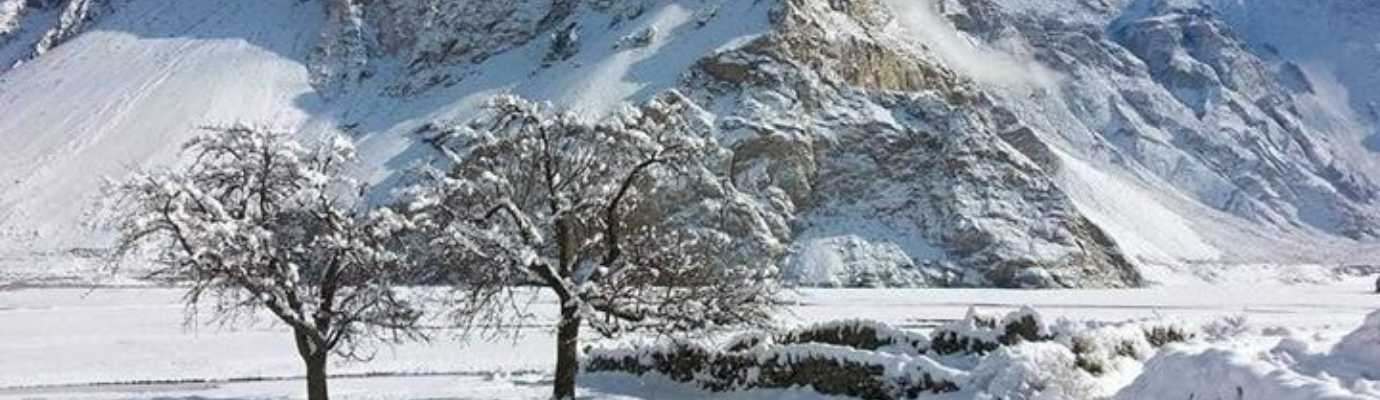
Luxury, they say, is five-star breakfasts, infinity pools, and perfectly curated experiences. But Hunza in winter laughs quietly at that idea.
Because real luxury doesn’t arrive wrapped in noise. It arrives before sunrise, in complete silence.
A winter morning in Hunza begins long before the sun shows up. The world is still asleep. No engines humming, no tour vans lining up, no chatter echoing through the valley. Just the faint crunch of snow under your boots as you step outside, unsure whether you should whisper or simply breathe softer.
The air hits first. Sharp. Clean. Honest. It fills your lungs like it’s rinsing them out, as if your city life has left dust behind that only this cold can remove. You pull your shawl tighter, but you don’t rush back in. Because something is about to happen and Hunza demands patience.
Slowly, the sky begins to change. Not dramatically. Not all at once. Just a soft shift from deep blue to a pale, almost shy grey. The mountains sit still, massive and unbothered, their snow-covered peaks glowing faintly as if they’ve been awake all night, waiting for you. This is when you realize: winter mornings in Hunza are not meant to be consumed quickly. They’re meant to be witnessed.
Inside the small guesthouse, tea is brewing. Not the rushed kind. The kind that simmers. Someone pours it into a chipped cup that has probably seen hundreds of winters. You hold it with both hands, letting the warmth travel slowly into your fingers. Outside, rooftops are layered in snow, fields look paused in time, and the Karakoram stands tall; quiet, watchful, eternal.
There’s no checklist here. No “top 10 things to do.” And that’s exactly why it feels expensive.
Because nothing is trying to sell itself to you. In summer, Hunza dazzles. In winter, it reveals. You notice details you’d miss in peak season; smoke curling out of chimneys, the sound of a distant azaan carrying farther in the thin air, the way sunlight spills gently over Baltit Fort like a blessing instead of a spotlight. Locals move slowly, deliberately, as if they understand something the rest of the world forgot: life doesn’t need to be loud to be meaningful. A child drags a sled across the snow, laughing, leaving uneven lines behind. An old man pauses mid-walk to greet you with a nod, not hurried, not distracted. Time stretches here. And for the first time in months, maybe years, you stop checking it.
This is where the idea of luxury quietly collapses. Because luxury isn’t abundance. It’s presence. It’s having space to think without being interrupted. It’s sipping tea while watching golden light touch Rakaposhi’s face. It’s realizing that your phone has been in your pocket for an hour and you didn’t miss it. It’s warmth without excess, beauty without performance, and peace without effort.
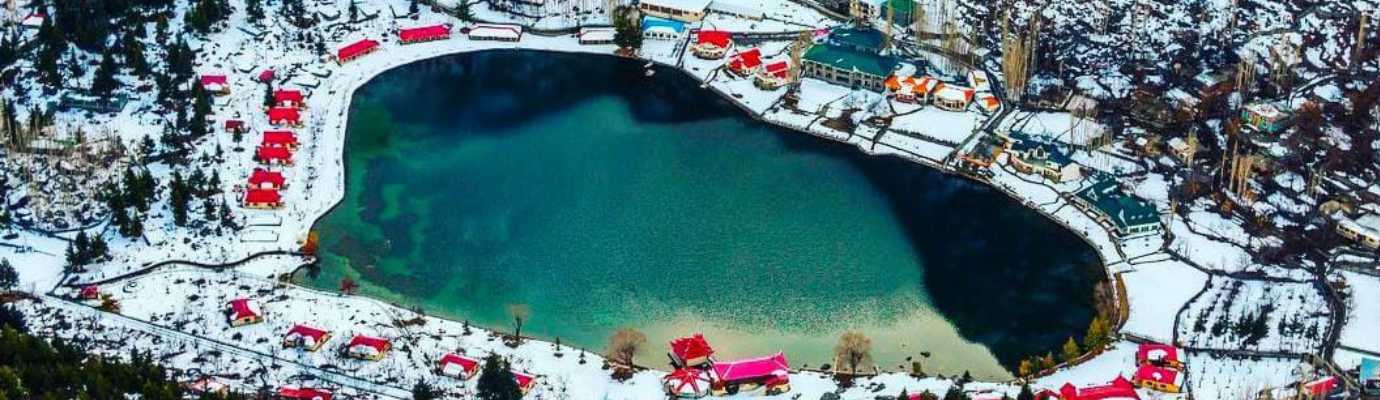
By mid-morning, the sun rises higher, and Hunza softens. Snow begins to sparkle. The cold loosens its grip just enough to invite you for a walk. You wander without direction through quiet lanes, past frozen streams, alongside fields resting for spring. Every step feels unhurried, like the valley itself has slowed your heartbeat. This is not the Hunza of postcards. This is the Hunza that stays with you. Winter mornings here don’t overwhelm you, they reset you. They remind you that rest is not laziness, silence is not emptiness, and beauty doesn’t need crowds to be valid. They remind you that sometimes, the most luxurious thing you can do is arrive somewhere that asks nothing from you except to be there.
And when you leave because eventually, you must; you carry something back that no souvenir shop sells. A quieter mind. A lighter chest. A new definition of richness. So if you ever find yourself chasing luxury, chasing “more,” chasing something shiny and loud- pause. There is a winter morning waiting in Hunza. And it already has everything you need.
.png)
.png)
.png)
.png)


